

Articles
Clear, practical insight on the topics shaping secure and regulated environments – from day-to-day delivery challenges to the frameworks and requirements that underpin them.
-
Cyber Resilience Is What Makes Transformation Sustainable
Read more: Cyber Resilience Is What Makes Transformation SustainableDigital transformation in regulated organisations is very rarely a clean break from the past, more a negotiation with what already exists: legacy systems, inherited processes, supplier dependencies, regulatory duties and operating models that cannot be paused while a new environment is built. That reality often leads cyber resilience and transformation to be presented as competing…
-

Applying CAF in Live Environments
Read more: Applying CAF in Live EnvironmentsThe National Cyber Security Centre (NCSC) Cyber Assessment Framework (CAF) helps organisations assess and improve cyber resilience through structured objectives, principles, contributing outcomes and indicators of good practice. It provides a consistent basis for assessing whether essential services are adequately protected, particularly where essential functions and regulatory assurance are in scope. On paper, CAF offers…
-
Cyber Essentials vs ISO 27001 vs NIST
Read more: Cyber Essentials vs ISO 27001 vs NISTOrganisations are often presented with Cyber Essentials, ISO 27001 and NIST as if they are comparable options. They are not. Each exists for a different purpose, operates at a different level, and delivers a different outcome. The confusion tends to arise because all three are associated with ‘good security’, yet none of them, on their…
-
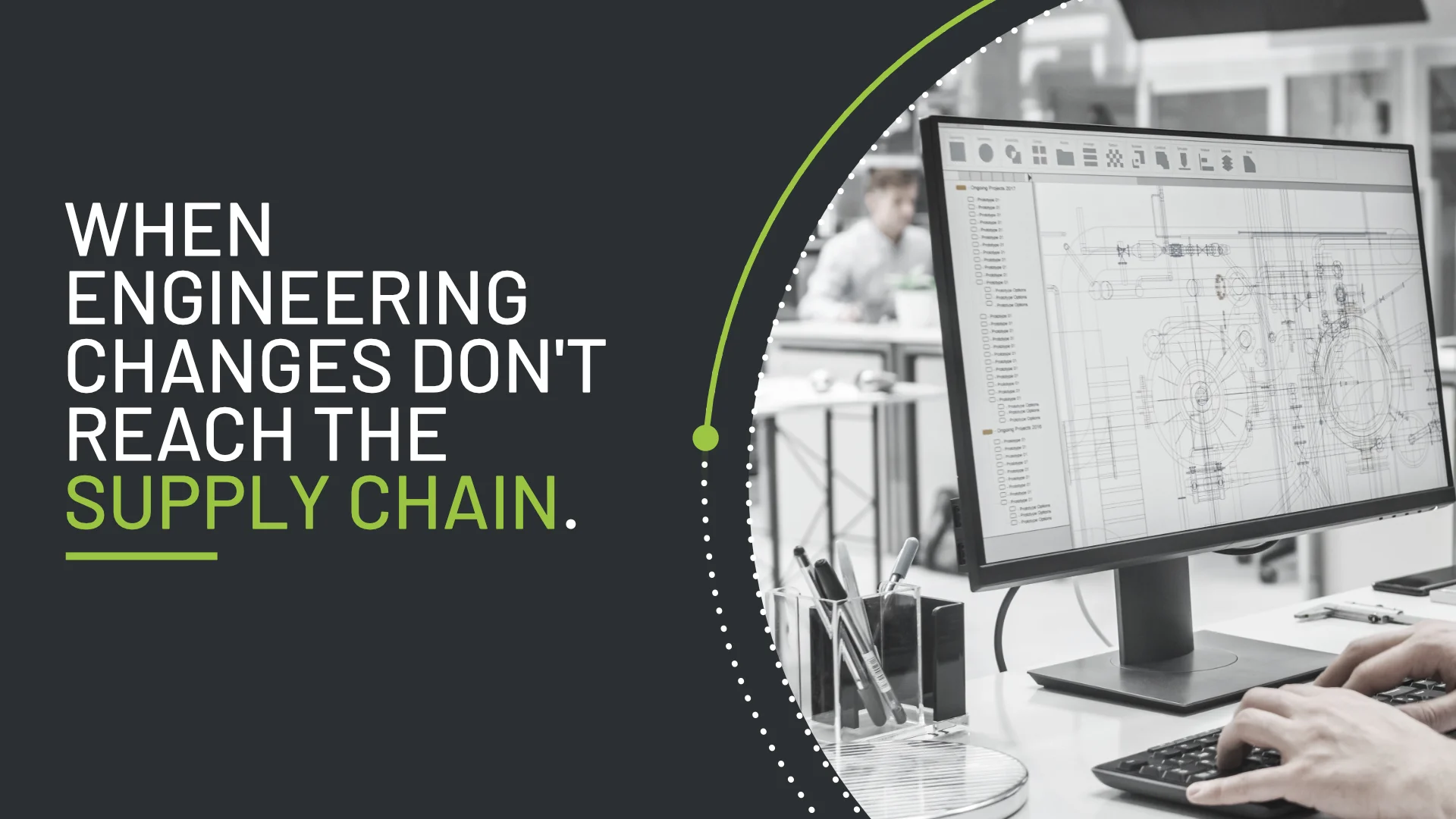
When Engineering Change Does Not Reach the Whole Supply Chain
Read more: When Engineering Change Does Not Reach the Whole Supply ChainEngineering change is a normal part of defence manufacturing. Designs mature, requirements evolve, components become unavailable, production issues emerge, and customer needs shift as a programme progresses. A change may begin as a technical adjustment, but its effects rarely stay confined to engineering. A revised drawing can affect work instructions, inspection criteria, supplier activity, production…
-
What is IPSA? Personnel security assurance for defence suppliers
Read more: What is IPSA? Personnel security assurance for defence suppliersIPSA is an organisational assurance framework for personnel security in industry. Its purpose is to help eligible organisations in the defence supply chain manage personnel security to the standards expected when people hold or require National Security Vetting.
-
Cyber Risk Management: An Overview for Government Suppliers
Read more: Cyber Risk Management: An Overview for Government SuppliersCyber risk management in the public sector is not a documentation exercise. It is a way of making better decisions about services, systems, suppliers and information that matter.
-
COMAH Compliance Isn’t the Same as Control
Read more: COMAH Compliance Isn’t the Same as ControlWhere process safety and cyber risk start to blur There’s a common assumption in COMAH environments that if the safety case is in good shape, the risk is understood and under control. The documentation is there, the systems are defined, the safeguards are in place. That assumption made more sense when control was largely mechanical…
-
Delivery Methodologies for Secure Environments
Read more: Delivery Methodologies for Secure EnvironmentsAgile, Waterfall or Pragmatic? Delivery methodology is a hot topic in most project environments, but in defence and secure government programmes, it takes on a different weight. This isn’t just about which framework you favour, it’s about how you adapt that framework to meet the demands of a risk-conscious, process-heavy environment that prizes assurance as…
-

The Security Decisions Hidden in Delivery
Read more: The Security Decisions Hidden in DeliveryWhy cyber risk is often decided before the security conversation begins Most cyber security conversations start too late. By the time a project reaches formal assurance, many of the most important decisions have already been made. Suppliers have been selected. Delivery milestones have been agreed. Commercial pressures are in motion. Architecture choices have hardened into…
-
What is DEFCON 658? Cyber obligations for MOD suppliers
Read more: What is DEFCON 658? Cyber obligations for MOD suppliersDEFCON 658 is one of those terms that appears in MOD procurement and immediately sends suppliers looking for a plain-English explanation. That is understandable. It is not a cyber framework in the usual sense. It is a defence condition: a contractual mechanism that brings cyber security obligations into MOD supplier relationships. Where DEFCON 658 applies,…
-
OFFICIAL vs OFFICIAL-SENSITIVE: what defence suppliers need to know
Read more: OFFICIAL vs OFFICIAL-SENSITIVE: what defence suppliers need to knowFor organisations working with the Ministry of Defence, OFFICIAL and OFFICIAL-SENSITIVE are not just labels on documents. They shape how information is shared, who can access it, how it is stored, and what level of assurance may be expected from the working environment around it. The confusion usually starts with the wording. OFFICIAL-SENSITIVE can sound…
-
Industry 4.0 Connected the Factory. The Supply Chain Is Harder.
Read more: Industry 4.0 Connected the Factory. The Supply Chain Is Harder.Manufacturers have spent much of the past decade improving connectivity inside their own organisations. Digital engineering tools have changed how products are designed and developed. ERP and planning systems have improved coordination across production. Quality platforms have made evidence and traceability easier to manage. Connected production environments, sensors, automation and data-led improvement programmes have become…
-
Secure Collaboration and the Modern Defence Supply Chain
Read more: Secure Collaboration and the Modern Defence Supply ChainAs defence programmes become increasingly interconnected, secure collaboration is becoming more than a technology decision. It is rapidly becoming a prerequisite for participating effectively and securely within the modern defence supply chain.
-
The hidden cost of supplier collaboration in defence manufacturing
Read more: The hidden cost of supplier collaboration in defence manufacturingManufacturers supporting defence programmes rarely operate in isolation. Even where a company owns the core engineering capability, delivery depends on a wider network of suppliers, subcontractors, specialist manufacturers, testing partners, customers, and programme stakeholders. Drawings, specifications, work instructions, quality records, engineering changes and technical queries all need to move between those parties throughout the lifecycle…
-
Cyber Assurance in UK Defence Procurement
Read more: Cyber Assurance in UK Defence ProcurementFor suppliers looking to work with UK Defence, cyber security is no longer a background technical concern, rather, an increasingly part of supplier readiness, procurement confidence and contract delivery. That does not mean every opportunity carries the same requirement, or that every supplier will be assessed in the same way. MOD procurements vary widely, from…
-

Applying Generative AI Securely in Regulated Environments
Read more: Applying Generative AI Securely in Regulated EnvironmentsNot too long ago, many organisations could comfortably treat Generative AI as something experimental. Interesting, potentially useful, but still distant from day-to-day operations. That, however, has changed remarkably quickly. AI tools are now rapidly finding their way into regular routine work across defence, government, critical infrastructure, and other highly regulated sectors. Staff are using them…